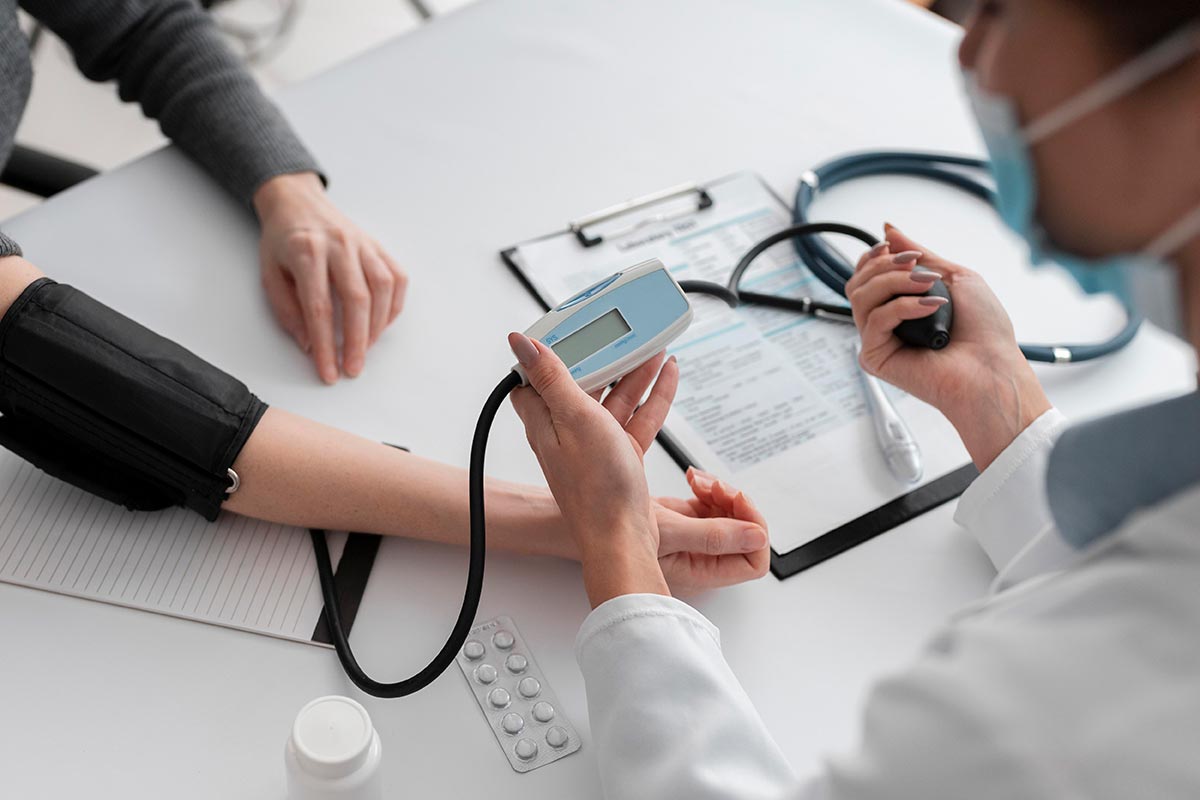
Staying healthy in 2026 is no longer just about treating illnesses after symptoms appear. Preventive healthcare is becoming one of the most important ways to detect health conditions early, improve long-term wellness, and reduce future medical risks.
From annual wellness exams to heart screenings and diabetes testing, preventive health checkups help people identify hidden health issues before they become serious. In Phoenix, Arizona, more people are prioritising routine medical care, lifestyle monitoring, and early disease prevention than ever before.
According to Bellagio Clinic, preventive healthcare focuses on maintaining overall wellness through regular screenings, personalised care plans, and early diagnosis to support healthier living.
What Is Preventive Healthcare?
Preventive healthcare involves routine medical checkups, screenings, vaccinations, and wellness evaluations designed to prevent disease or identify conditions early.
Rather than waiting until symptoms become severe, preventive care helps doctors monitor important health indicators and recommend treatments or lifestyle changes before complications develop.
Preventive healthcare can help detect:
- High blood pressure
- Diabetes
- Heart disease
- Hormonal imbalances
- Obesity-related conditions
- Vitamin deficiencies
- Certain cancers
- Cholesterol issues
- Thyroid disorders
In 2026, preventive medicine is becoming a key part of maintaining long-term physical and mental health.
Top Preventive Health Checkups Everyone Should Get in 2026
1. Annual Wellness Exam
An annual wellness exam is one of the most important preventive health checkups adults should schedule every year.
These exams typically include:
- Blood pressure checks
- Weight and BMI evaluation
- Heart rate monitoring
- Medical history review
- Medication review
- Lifestyle assessment
Annual wellness visits help doctors identify early warning signs before serious health conditions develop.
2. Blood Pressure Screening
High blood pressure is often called the “silent killer” because many people experience no symptoms until complications occur.
Routine blood pressure checks can help prevent:
- Heart attacks
- Stroke
- Kidney disease
- Cardiovascular complications
Adults should monitor blood pressure regularly, especially if they have family history or lifestyle-related risk factors.
3. Diabetes Screening
Diabetes cases continue to rise across the United States, making blood sugar testing one of the most important preventive health screenings in 2026.
Common diabetes risk factors include:
- Obesity
- Family history
- Poor diet
- Lack of physical activity
- High blood pressure
Early diagnosis can help patients manage diabetes more effectively and reduce long-term complications.
4. Cholesterol and Heart Health Screening
Heart disease remains one of the leading causes of death, making cholesterol testing and cardiovascular assessments essential preventive care services.
Doctors may evaluate:
- Cholesterol levels
- Triglycerides
- Heart rhythm
- Circulation health
- Cardiovascular risk factors
Maintaining healthy cholesterol levels can significantly reduce the risk of heart disease.
5. Cancer Screenings
Routine cancer screenings help detect certain cancers early when treatment may be more effective.
Depending on age, gender, and medical history, recommended screenings may include:
- Breast cancer screening
- Colon cancer screening
- Cervical cancer screening
- Skin cancer checks
- Prostate exams
Preventive screenings are especially important for individuals with family history or higher risk factors.
Recommended Preventive Health Checkups in 2026
| Health Checkup | Purpose | Recommended Frequency |
| Annual Wellness Exam | Overall health evaluation | Once per year |
| Blood Pressure Screening | Detect hypertension | Every 6–12 months |
| Diabetes Screening | Monitor blood sugar levels | Annually for high-risk adults |
| Cholesterol Test | Assess heart health risk | Every 4–6 years or as advised |
| Cancer Screening | Early cancer detection | Based on age and risk factors |
| BMI & Weight Assessment | Monitor obesity risks | Yearly |
| Thyroid Function Test | Detect hormone imbalance | As recommended |
| Vitamin Deficiency Testing | Identify nutritional deficiencies | Based on symptoms |
Benefits of Preventive Healthcare
| Benefit | Why It Matters |
| Early Disease Detection | Helps identify conditions before symptoms worsen |
| Lower Healthcare Costs | Prevents expensive emergency treatments |
| Better Long-Term Health | Supports healthier lifestyle management |
| Improved Quality of Life | Helps patients stay active and independent |
| Reduced Risk of Chronic Disease | Monitors major health risk factors |
| Personalised Medical Care | Allows doctors to create tailored health plans |
Why Preventive Healthcare Matters More in 2026
Modern lifestyles, stress, poor eating habits, and reduced physical activity have increased the risk of chronic health conditions.
Preventive healthcare is becoming more important because it helps patients:
- Detect illnesses earlier
- Improve long-term health outcomes
- Avoid preventable complications
- Receive personalised treatment plans
- Build healthier lifestyle habits
Healthcare providers now focus heavily on prevention rather than simply treating illness after it develops.
Signs You Should Schedule a Health Checkup
You should consider scheduling a preventive health exam if you experience:
- Constant fatigue
- Unexplained weight changes
- High stress levels
- Poor sleep quality
- Family history of chronic disease
- High blood pressure
- Frequent headaches
- Low energy levels
Even people without symptoms can benefit greatly from routine medical evaluations.
FAQs About Preventive Health Checkups
What preventive screenings should adults get yearly?
Adults should typically get blood pressure checks, cholesterol testing, diabetes screening, annual wellness exams, and age-appropriate cancer screenings every year.
How often should you get a health checkup?
Most adults should schedule a preventive health checkup once a year, although frequency may vary depending on age, lifestyle, and medical history.
What is included in a preventive health exam?
A preventive health exam may include blood pressure testing, weight assessment, blood work, lifestyle review, medical history evaluation, and recommended screenings.
Why is preventive healthcare important?
Preventive healthcare helps detect diseases early, improve long-term health outcomes, and reduce the risk of serious medical complications.
What tests are done during an annual wellness exam?
Doctors may perform blood pressure checks, cholesterol testing, diabetes screening, BMI evaluation, and other routine health assessments during annual wellness visits.
Final Thoughts
Preventive healthcare plays a critical role in maintaining long-term wellness and improving overall quality of life. In 2026, routine health screenings and annual wellness exams are more important than ever for detecting conditions early and reducing future health risks.
Whether it’s monitoring blood pressure, checking cholesterol levels, or scheduling annual physical exams, preventive care can help individuals stay healthier, more active, and better prepared for the future.To learn more about preventive healthcare and wellness services in Phoenix, Arizona, visit Bellagio Clinic Official Website.