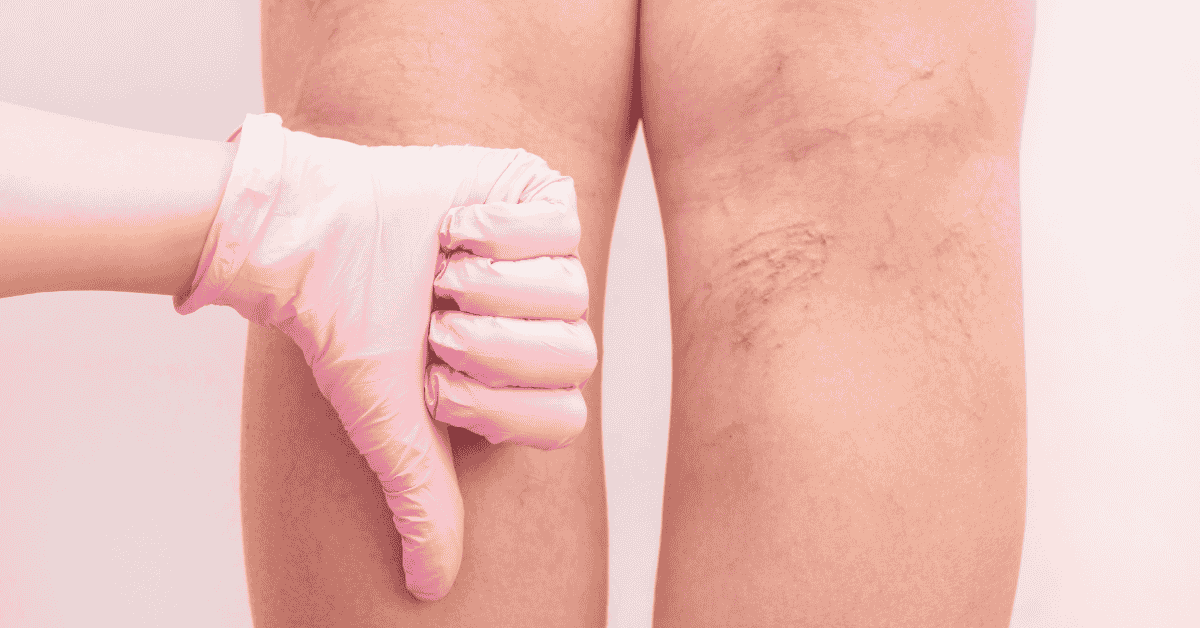
Varicose veins are a common condition affecting millions of adults. While many people view them as purely cosmetic concerns, they can sometimes signal underlying circulation problems.
Healthcare providers at Bellagio Family Medical often evaluate vein health to determine whether treatment is necessary.
What Causes Varicose Veins?
Varicose veins develop when the valves inside veins weaken, causing blood to pool rather than circulate efficiently.
Common risk factors include:
- Genetics
- Pregnancy
- Prolonged standing
- Aging
- Obesity
Over time, affected veins may become enlarged and visible beneath the skin.
Symptoms to Watch For
Although some people experience no discomfort, others may notice symptoms such as:
- Leg pain or heaviness
- Swelling in the lower legs
- Burning or throbbing sensations
- Skin discoloration near the veins
These symptoms may indicate that the veins are not functioning properly.
When Treatment Is Recommended
Medical treatment may be necessary if varicose veins cause pain, swelling, or skin complications.
Modern vein treatments are typically minimally invasive, allowing patients to return to normal activities quickly.
Diagnostic Evaluation
Doctors often use ultrasound imaging to assess circulation and determine whether deeper veins are affected.
This diagnostic step ensures that the appropriate treatment plan is chosen.
Improving Vein Health
Lifestyle changes can also support vein health, including:
- Regular exercise
- Maintaining a healthy weight
- Elevating the legs when resting
- Avoiding long periods of sitting or standing
If symptoms persist, a professional evaluation can help determine the best treatment options.